Turn It Off. Turn It Back On.
You know that moment when something isn’t working — the Wi-Fi, the printer, the coffee maker — and someone says,
“Did you turn it off and turn it back on?”
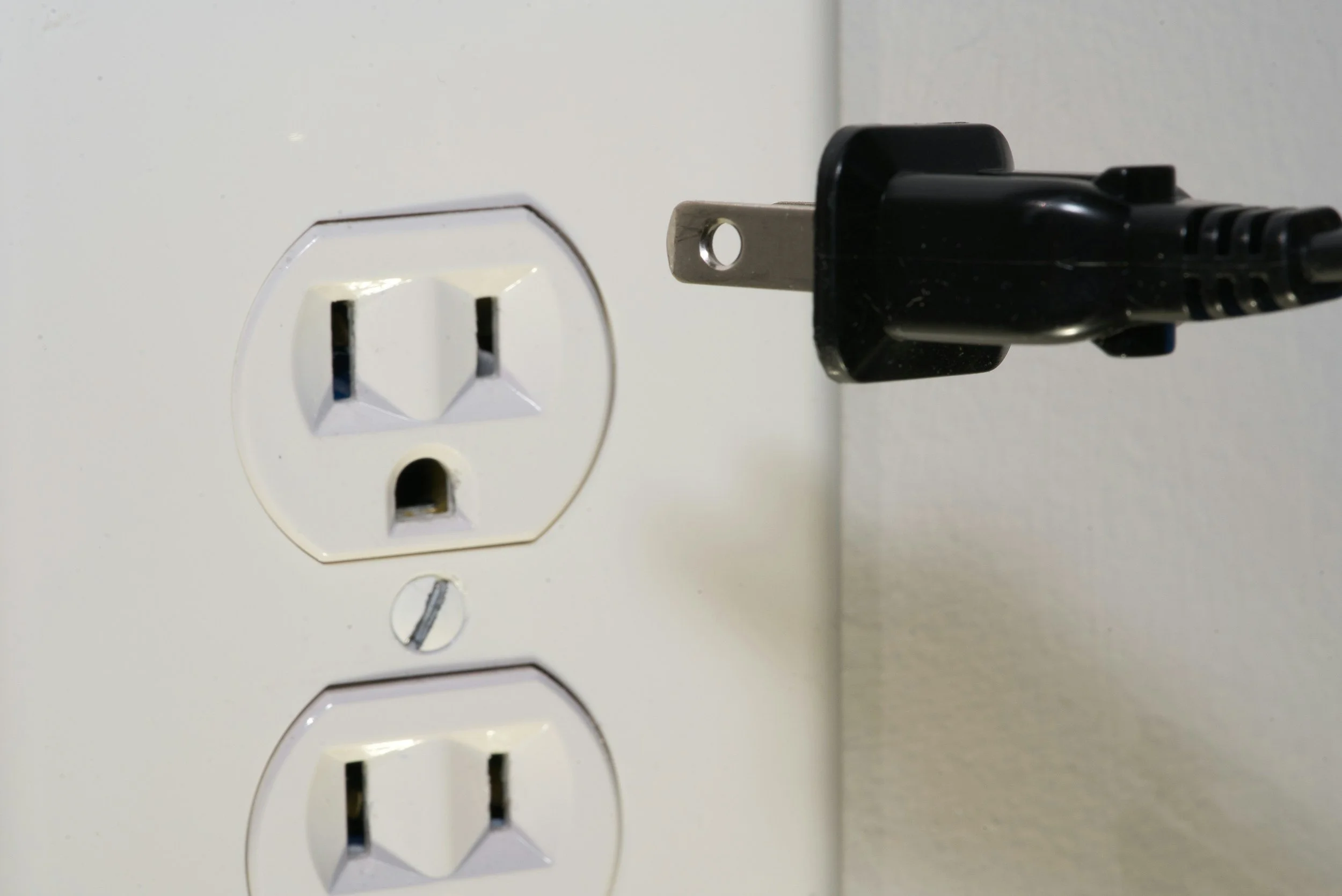
Sometimes you just gotta do it!
It’s annoying. It feels too simple.
And it almost always works.
Lately, I’ve been thinking about how often that advice applies to us.
When my business feels foggy.
When I’m busy but not productive.
When I’m spinning instead of moving forward.
That’s usually my cue to pause.
To reset.
To stop pushing and see what happens when I give things a moment to come back online.
Reflection Is the Reset Button
In Practical Productivity, Monisha Longacre talks about productivity in a way that feels realistic and humane. One of her core reminders is that reflection isn’t wasted time — it’s information.
She encourages us to slow down long enough to notice:
what’s actually working
what isn’t
and what’s worth carrying forward
That pause isn’t quitting. It’s recalibrating direction.
I’ve found that when I don’t stop to reflect, I default to doing more. More effort. More hours. More noise. And yet, clarity rarely comes from pushing harder. It comes from stepping back.
When Overthinking Feels Like Productivity (But Isn’t)
This idea shows up in other places too. Mel Robbins talks about it often on The Mel Robbins Podcast, especially in her episode How to Stop Overthinking. One line from her stopped me in my tracks:
“Overthinking is not insight. It’s fear.”
That hit home.
Because how often do we tell ourselves we’re being productive — when really, we’re just stuck in our heads? Planning, re-planning, second-guessing, circling the same questions without moving forward.
Reflection is different. Reflection clears the noise instead of adding to it. It helps us stop reacting and start responding.
Different voices. Same message:
Sometimes the most productive thing we can do is pause long enough to reset.
Downtime Isn’t Lost Time
I’ve noticed that some of my clearest next steps show up after I slow down — on a walk, at the end of a week, or in a quiet moment when I stop trying to force answers.
Those down times aren’t empty. They’re restorative. They give perspective. They help direction rise to the surface instead of being chased.
Turning it off doesn’t mean starting over.
It means giving the system space to work again.
A Simple Weekly Reset
Before next week begins, take five minutes and ask:
What worked this week?
What didn’t — and why?
What’s worth repeating?
Consider it a reset. Not a restart.
You’re not starting over — you’re starting clearer.
You can do this!
Leah